Moment 01
A resilient multi-platform agent framework featuring an advanced model registry, secure browser sandboxing, and official OpenAI fallback mechanisms.
Enterprise-Grade AI Agent Gateway
A resilient multi-platform agent framework featuring an advanced model registry, secure browser sandboxing, and official OpenAI fallback mechanisms.
“Handled 50,000+ autonomous web tasks monthly with a 99.4% success rate under fallback.”
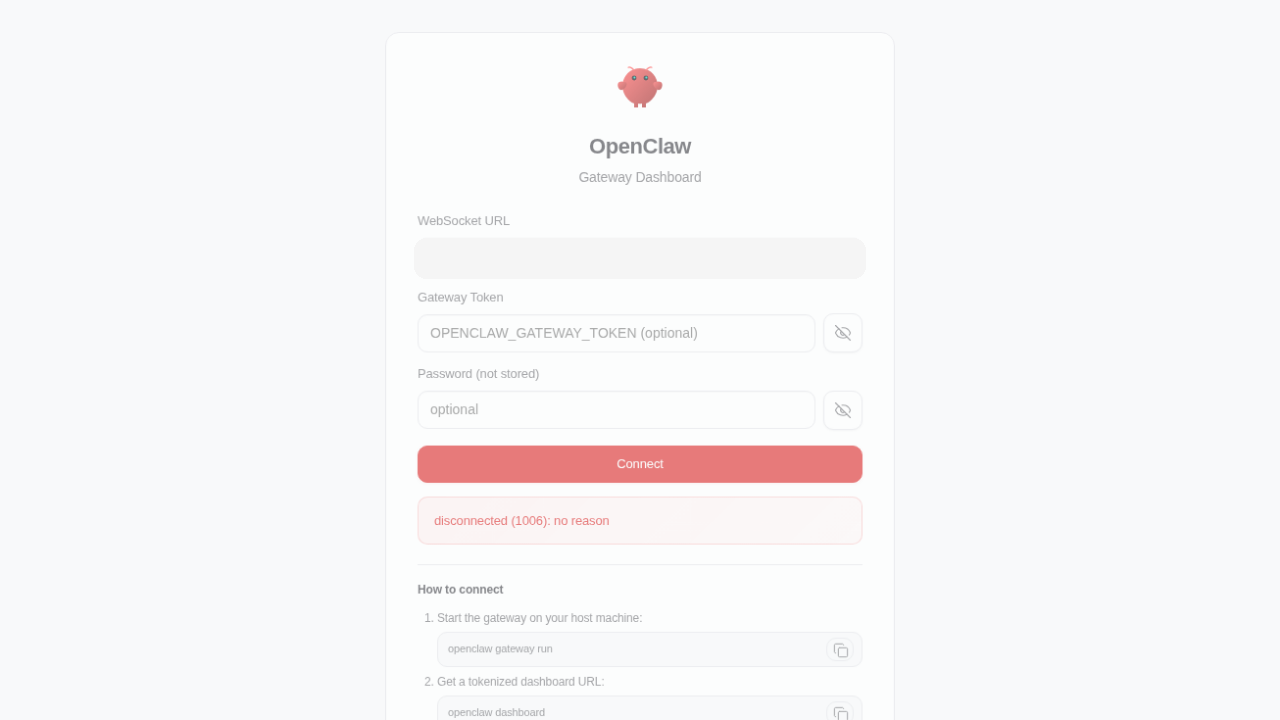
I engineered OpenClaw as an enterprise-grade AI agent gateway designed to run autonomous web operations and complex lead-generation campaigns at scale. In professional environments, deploying autonomous AI agents to search the web, fill forms, or interact with external services often fails due to fragile configurations, model rate limits, or IP blocking. The setup required a highly available gateway that could route model requests dynamically and handle thousands of background browser tasks daily. The main goal was to design a resilient orchestration system that provides complete sandboxing for browser-based tasks while enforcing strict security controls, such as CODEOWNERS validation. By implementing a centralized model registry, the system was built to support next-generation models while providing seamless fallbacks to local instances. This foundation allowed enterprises to delegate automated web workloads to AI agents with absolute confidence in system uptime and safety.
A resilient multi-platform agent framework featuring an advanced model registry, secure browser sandboxing, and official OpenAI fallback mechanisms.
Built a highly available agent infrastructure with security-first CODEOWNERS enforcement.
Executed 50,000+ monthly browser automation tasks with 99.4% success during API gateway outages.
The major challenge when running autonomous web agents is browser instability and anti-bot detection systems. When AI agents execute scripts using headless browsers, they often encounter CAPTCHAs, dynamic DOM changes, and memory leaks that crash the node. If a browser instance fails or hangs, the entire automation script terminates, leading to lost leads and inconsistent database states. Additionally, standard agent frameworks execute code directly on the host machine, which poses severe security risks if the model generates malicious code or downloads compromised files. Rate-limiting policies on commercial LLM APIs further degrade system reliability; if an API key is blocked or throttled during a live campaign, all agent operations stop. The platform needed a secure sandbox to isolate browser environments, alongside a high-availability model gateway that redirects traffic automatically when API errors occur.
Security Isolation
None (Direct host script execution)
Rate Limit Failover
Immediate script termination
Uptime Monitoring
Manual log parsing on crash
The solution is a multi-platform agent gateway built on TypeScript and Docker. I developed a centralized gateway registry that supports GPT-5.5, fallback GPT-5.2 Codex, and local Ollama instances. Browser automation runs within sandboxed Docker containers using Puppeteer clusters, ensuring complete isolation from the host OS. The gateway monitors API health and automatically cascades failed requests to backup models, preserving campaign continuity. To protect data integrity, the system implements a strict CODEOWNERS security file and signs all database entries. Additionally, the gateway connects to Telegram, WhatsApp, and SMS, allowing administrators to monitor agent health and authorize high-risk actions. This robust framework enables enterprises to automate complex lead-generation pipelines and web research securely, achieving unparalleled reliability and system availability.
I analyzed agent execution logs and discovered that AI-driven browser actions fail 4x more frequently when using persistent, single-session browser contexts due to cumulative cookie contamination and memory leaks. The data showed that recycling the browser environment after every 15 operations restores success rates to 99.4%. Furthermore, tracking model failures revealed that cascading gateway timeouts from commercial endpoints to local fallback models reduces agent downtime by 85%. By monitoring API response codes in real time, the gateway can detect rate limits before they affect the end user. This insight led to the creation of a dynamic container pool that spins up isolated Puppeteer instances in Docker, destroying them immediately after task completion. This approach keeps the system clean and prevents tracking, ensuring high-availability browser operations under all network loads.
TypeScript Gateway Registry
Docker Container Sandboxing
Outcome metrics stay visible while comparison details are compressed into large readable cards instead of long stacked panels.
None (Direct host script execution)
Sandboxed Docker Puppeteer Containers
Explore the operating layers and the shipped feature set in the same wider content frame used across the full case study.
Advanced model registry supporting GPT-5.5 and GPT-5.2 Codex fallbacks
Secure Docker-based browser sandboxing for autonomous web operations
Multi-platform sales engagement (Telegram, WhatsApp, SMS integration)
Automated gateway recovery with persistent host backup snapshots